
Introduction
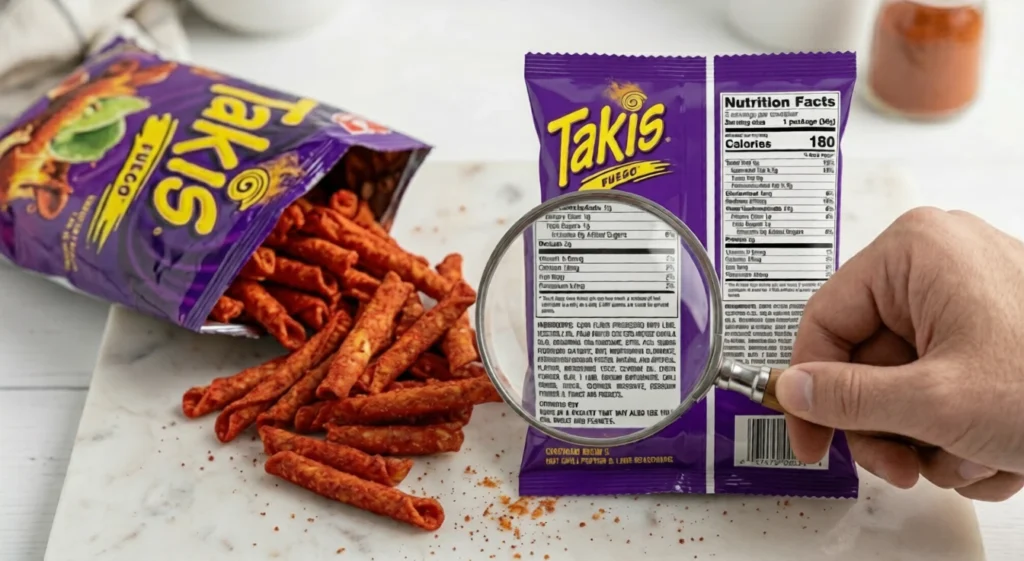
Spicy, crunchy, and intensely flavorful, Takis have become one of the most popular snack foods worldwide. Known for their bold taste and signature rolled tortilla chip shape, they are especially loved by younger audiences and spice enthusiasts. But for Muslim consumers, enjoying snacks is not just about taste—it’s about ensuring that what they eat aligns with Islamic dietary laws.
This raises an important question: Are Takis halal or haram?
The answer is not entirely straightforward. Like many processed snacks, Takis contain a variety of ingredients, some of which may be questionable from a halal perspective. In this detailed guide, we will explore their ingredients, manufacturing processes, scholarly opinions, and available alternatives so you can make a well-informed decision.
Understanding Halal and Haram in Processed Foods
Before focusing specifically on Takis, it’s important to understand how halal and haram apply to packaged snacks.
In Islam, halal food must meet certain conditions:
- It must not contain pork or pork derivatives
- It must not contain alcohol or intoxicants
- Any animal-derived ingredients must come from halal-slaughtered animals
- It must not be contaminated with haram substances
Processed snacks often contain additives, flavorings, and emulsifiers that may not clearly indicate their source. This makes it essential to examine ingredient lists carefully.
What Are Takis?
Takis are a brand of rolled tortilla chips produced by the Mexican company Grupo Bimbo under its Barcel brand. They are famous for their intense flavors, including:
- Fuego (chili and lime)
- Nitro (habanero and lime)
- Blue Heat
- Crunchy Fajitas
Their bold seasoning and unique texture make them stand out, but their ingredient list is where halal concerns begin.
Related post : Is Haribo Halal or Haram?
Ingredients in Takis
The ingredients in Takis can vary slightly depending on the flavor and region, but commonly include:
- Corn masa flour
- Vegetable oils
- Seasoning blends
- Artificial and natural flavors
- Citric acid
- Preservatives
- Food colorings
At first glance, these ingredients may appear halal. However, the concern lies in the details behind the flavorings and additives.
Key Halal Concerns in Takis
Natural and Artificial Flavors
The term “flavors” on packaging is often vague. These flavors may sometimes contain:
- Alcohol-based solvents
- Animal-derived compounds
Since the source is not always specified, this creates uncertainty.
Enzymes and Additives
Some processed foods use enzymes in production. These enzymes can be derived from:
- Microbial sources (halal)
- Animal sources (potentially haram)
Without clear labeling, it becomes difficult to determine their permissibility.
Cheese and Dairy Components
Certain Takis flavors may contain cheese powder or dairy ingredients. While dairy itself is halal, concerns arise if:
- Animal rennet is used
- The source of enzymes is not halal-certified
Cross-Contamination
Takis are produced in large facilities that may also process non-halal items. Cross-contamination is a potential concern, especially in shared production lines.
Related post : Is Sour Patch Halal or Haram?
Are Takis Halal Certified?
One of the simplest ways to determine if a product is halal is to check for certification.
Currently, most Takis products do not carry widely recognized halal certification in many regions. This lack of certification does not automatically mean they are haram—but it does mean:
- There is no official verification of ingredient sources
- Consumers must rely on their own judgment
In some countries, certain batches or imported versions may be certified halal, but this is not consistent worldwide.
Regional Differences Matter
Like many global snack brands, Takis recipes and production methods can vary by region.
- In North America, Takis typically do not have halal certification
- In Middle Eastern or Muslim-majority countries, some imported snacks may meet halal standards
- In Europe, ingredient sourcing may differ
This means the halal status of Takis can depend on where they are manufactured and sold.
What Do Islamic Scholars Say?
Islamic scholars generally approach such products with caution. Their opinions often fall into three categories:
Permissible (Halal) View
Some scholars consider Takis halal if:
- No explicitly haram ingredients are listed
- Alcohol content (if present in flavoring) is negligible
Doubtful (Makruh or Avoidable)
Many scholars classify such snacks as doubtful (shubhah) due to unclear ingredient sources. The Prophet Muhammad (peace be upon him) advised avoiding doubtful matters to protect one’s faith.
Not Permissible (Haram)
A stricter group of scholars considers Takis haram due to:
- Unspecified flavoring sources
- Lack of halal certification
- Possibility of haram additives
The Principle of Doubt in Islam
A well-known principle in Islam states:
“Leave that which makes you doubt for that which does not make you doubt.”
This principle is highly relevant when dealing with processed foods like Takis. If the ingredients are unclear or questionable, it is الأفضل to avoid them and choose something certain.
Are All Takis Haram?
Not necessarily. The ruling depends on:
- The specific flavor
- The country of production
- The presence (or absence) of halal certification
However, due to the lack of transparency in ingredients, many Muslims choose to avoid Takis altogether.
Halal Alternatives to Takis
If you enjoy spicy snacks but want to stay within halal guidelines, there are many alternatives available:
- Halal-certified tortilla chips
- Locally produced spicy snacks with clear ingredient labeling
- Homemade seasoned chips using halal ingredients
These options allow you to enjoy similar flavors without uncertainty.
Tips for Muslim Consumers
If you’re unsure about Takis or similar snacks, here are some practical tips:
Always Read the Label
Check for hidden ingredients like enzymes, emulsifiers, or flavorings.
Look for Certification
Halal certification provides peace of mind.
Contact the Manufacturer
Some companies provide detailed ingredient sourcing upon request.
Choose Safer Alternatives
When in doubt, opt for products that are clearly halal.
Why This Issue Matters
For Muslims, eating halal is not just a dietary choice—it’s an act of عبادah (worship). Being mindful of what we consume reflects our commitment to Islamic principles.
In today’s global food market, many products contain hidden or ambiguous ingredients, making awareness more important than ever.
Final Verdict: Are Takis Halal or Haram?
Here is a clear summary:
- No halal certification: Raises concerns
- No clearly haram ingredients listed: May be considered permissible by some
- Uncertain flavoring sources: Makes them doubtful
Conclusion:
Takis fall into a gray area (doubtful) for many Muslim consumers. While they may not be explicitly haram, the lack of transparency and certification leads many scholars to recommend avoiding them.
Frequently Asked Questions
Do Takis contain pork?
There is no clear evidence that Takis contain pork, but ingredient sources are not fully transparent.
Are Takis halal in Pakistan?
Most imported Takis in Pakistan are not halal-certified, so caution is advised.
Do Takis contain alcohol?
Flavorings may use alcohol as a solvent, but this is not always disclosed clearly.
Which Takis flavor is halal?
There is no universally confirmed halal flavor due to lack of certification.
What is the safest option?
Choose halal-certified snacks or make your own spicy chips at home.
Conclusion
The question “Are Takis halal or haram?” does not have a simple yes or no answer. While the ingredients may appear permissible on the surface, the lack of clear sourcing and certification introduces doubt.
For Muslims who prioritize certainty in their diet, it is safer to avoid Takis and choose halal-certified alternatives. However, those who follow a more lenient interpretation may consider them permissible if no clearly haram ingredients are identified.
Ultimately, the decision comes down to your level of caution and understanding of Islamic dietary principles.
