
Introduction
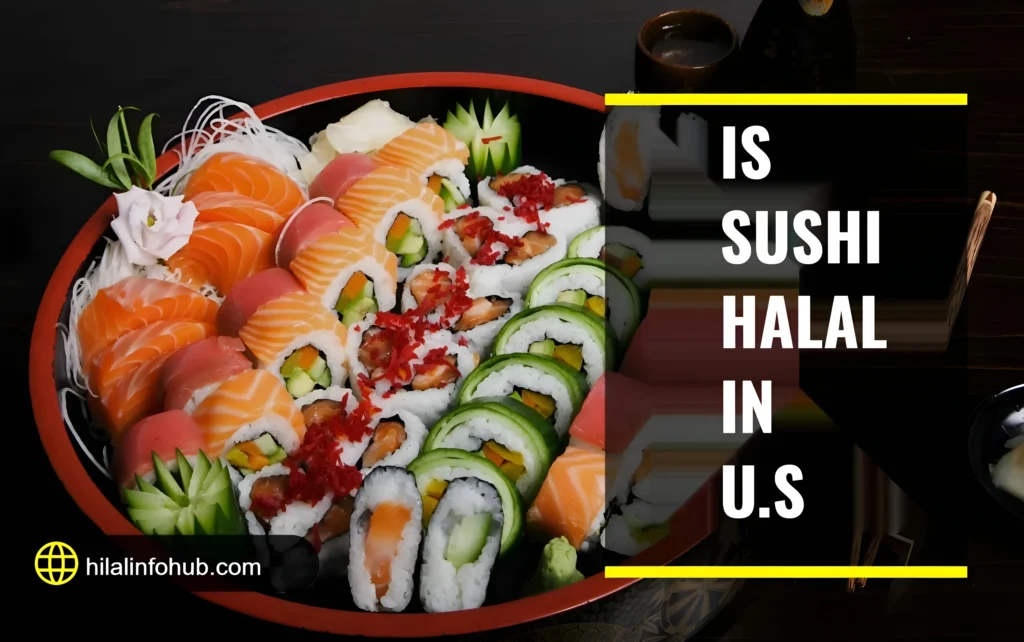
Sushi is now a favorite option throughout the U.S from chic sushi restaurants in urban centers to fast-casual roll-up stations at malls. To Muslim buyers throughout the U.S this offers a tantalizing opportunity—but also a central question: Is sushi halal in the U.S.?
Though sushi appears straightforward (fish + rice + seaweed), the halal status is contingent on several variables: the type of seafood used, how the seafood was prepared, whether alcohol or non-halal ingredients are involved, and whether cross-contamination is avoided by the kitchen. This article explores those variables, discusses how to assess sushi establishments in the U.S., and provides tips so you can dine on sushi confidently.
An Understanding of Halal Food Principles & How They Apply to Sushi
To figure out whether sushi is halal or not, it’s useful to remember the general Islamic dietary principles:
- The food has to be from the right sources (e.g., permissible species, routinely slaughtered where the case applies).
- It cannot contain forbidden (haram) substances, i.e., pork or alcohol or products based on non-halal animals.
- There can be no contamination (through processing, utensils, mixing) with haram foods.
- Transparent supply chains or certification offer further assurance.
Applied to sushi, these translate into particular concerns:
- Seafood type: Is the fish or seafood employed unmistakably halal (fish accepted by your school of thought)?
- Certification & transparency: Does the restaurant or brand have halal-certification or clearly disclose their processes and ingredients?
Key Halal Considerations for Sushi in the U.S.
Here are the main issues you should ask and check before considering sushi halal in the U.S.:
1. Type of Seafood
Most scholars agree that many fish are halal, but some sea creatures (crustaceans/shellfish) have varying rulings depending on your madhhab (school of thought). For example, shrimp or crab rolls may be considered doubtful or non-halal under some interpretations.
2. Alcohol or Fermented Ingredients
Sushi rice is usually cooked with rice vinegar, sake, or mirin (a sweet rice wine) containing alcohol. If a product contains alcohol, then according to many jurisdictions it makes the product non-halal.
So ask: Does the sushi rice contain mirin? Are sauce/alcohol-based flavorings employed?
3. Additives and Processing
Certain sushi will contain such things as imitation crab (surimi), sauces, gelatin, artificial flavourings. For instance, “crab stick” sushi may contain surimi with gelatin or other animal additives that might not be halal/clear.
Likewise soy sauce or other condiments can contain alcohol or be processed in non-halal fashion.
4. Cross-Contamination
Even when the fish is halal and alcohol is not utilized, if the same cutting board/knife/serving area has been used on pork products (or pork fat) or non-halal meat products, then the halal status is lost.
This can be a serious issue in U.S. sushi bars because most restaurants will also serve non-halal meats (e.g., bacon rolls, pork katsu) or use common preparation areas.
5. Certification & Supplier Transparency
Since many of these factors are not always visible, halal certification (from a trusted body) or direct transparency (restaurant states “all our seafood & condiments are halal”) gives stronger assurance. Without that, you’ll need to rely on asking questions.
What the Scholars Say
- As per a Hanafi-fiqh discussion: “It is okay to consume sushi made of fish if the other ingredients are permissible as well. Most forms of Sushi have rice wine as an ingredient and should be shunned.”
- A general guideline: “Sushi can be halal provided it uses acceptable fish, is responsibly sourced, and prepared as per Islamic guidelines. … raw fish is acceptable if fish is halal and handling is proper.”
- Regarding crab stick and sushi with additives: The Halal Times reports that “crabstick… unless specifically halal-certified, it remains questionable and must be avoided.”
Therefore, while sushi may be halal, no assumption can be made in U.S. restaurants unless due diligence is performed.
How This Works Out in the U.S. Restaurant Setting
In the United States, sushi restaurants range from sushi bars that are completely dedicated to sushi to Asian-fusion restaurants that serve sushi with pork and alcoholic drinks. Here are some pragmatic facts:
- Some American sushi restaurants might offer halal-friendly fish (e.g., tuna, salmon) and veggie rolls, but continue to use alcohol-infused seasonings or cross-contaminate preparation surfaces with pork products.
- Some retailers or brands might not show halal certification or even know what halal issues are; you might have to ask about particular ingredients.
- Chefs and staff awareness is variable—some will know precisely what is in their sushi rice or sauces, others won’t.
- Since sushi rice preparation usually involves vinegar or sometimes alcohol, even supposedly safe rolls can have unsuspected non-halal ingredients.
For instance, a U.S. product may not employ mirin but can still employ alcohol-containing soy sauce—or employ egg rolls or pork-based broth as ingredients of miso soup served with sushi. Hence going on a “safe route” means checking every ingredient instead of taking things for granted.
Practical Checklist: How to Eat Sushi Halal in the U.S.
The following are practical steps you can implement prior to ordering sushi if you’re attempting to comply with halal dietary guidelines:
- Inquire about seafood: Is the seafood or fish being utilized halal-compatible? Is the processing company safe?
- Inquire about rice & seasoning: Does the sushi rice have mirin or alcohol-based seasoning in it? Are sauces free from alcohol?
- Inspect for additives: If there is “imitation crab/stick”, inspect what it is composed of (gelatin, animal-based additives?). Are pork-based ingredients present?
- Inspect kitchen practices: Are the utensils & boards that are used for sushi used in common with pork, pork-fat, bacon rolls, other non-halal meat? Is the fryer a shared one?
- Seek halal certification or declaration: Does the restaurant have a halal certificate posted or expressly indicate their halal sourcing?
- Select safer options: If in doubt, select vegetable or vegan rolls (avocado roll, cucumber roll), fish-only nigiri (if fish halal confirmed), or restaurants that clearly indicate halal operations.
- Steer clear of high-risk foods: Rolls with eel (undocumented halal status for some commentators), crab stick (surimi) with unsubstantiated additives, sauces of unknown alcohol content—unless confirmed.
- Ask or refrain if in doubt: The principle of prophecy “Leave what causes you doubt for what will not cause you to doubt.” holds.
Pros & Cons: Is it Reasonable in the U.S. to Expect Fully Halal Sushi?
- The United States has a lot of Muslim-friendly restaurants; in big city centers you can find halal sushi restaurants or sushi bars that will meet your needs.
- Having vegetarian/vegan sushi alternatives makes it simpler to eat safely.
- With growing awareness, certain sushi restaurants might be accommodative to reveal ingredient information or modify for halal purposes.
Cons/Risks:
- Most sushi restaurants in the U.S. are not directly halal-certified and might not be fully aware of all ingredient/processing concerns.
- Sneaky ingredients (alcohol content in mirin, pork by-products in additives) are difficult to identify unless you specifically inquire.
- Shared kitchen tools/utensils make it impossible to ensure zero cross-contact.
- For others of strict standards among Muslim consumers, lack of formal halal certification is ongoing doubt.
Conclusion
Sushi can be a tasty and satisfying meal for Muslims in the U.S., but whether it is halal hinges on a few critical elements. The seafood used, whether alcohol exists in rice or sauces, additives, and cross-contamination within the kitchen all factor into deciding if a sushi dish is acceptable. Whereas certain sushi products—e.g., plain fish rolls or vegetable rolls—can be safely considered halal, others, including those rolls with imitation crab, eel, or alcohol flavorings, would not be considered halal.
Finally, checking ingredients, inquiring about cooking procedures, and selecting restaurants with halal certification or open practices are the critical steps. By taking these precautions, Muslim consumers can safely relish sushi while staying within Islamic dietary regulation. If unsure, one should always err on the side of safety and select something that is obviously halal.
For more like this visit : Hilalinfohub
