
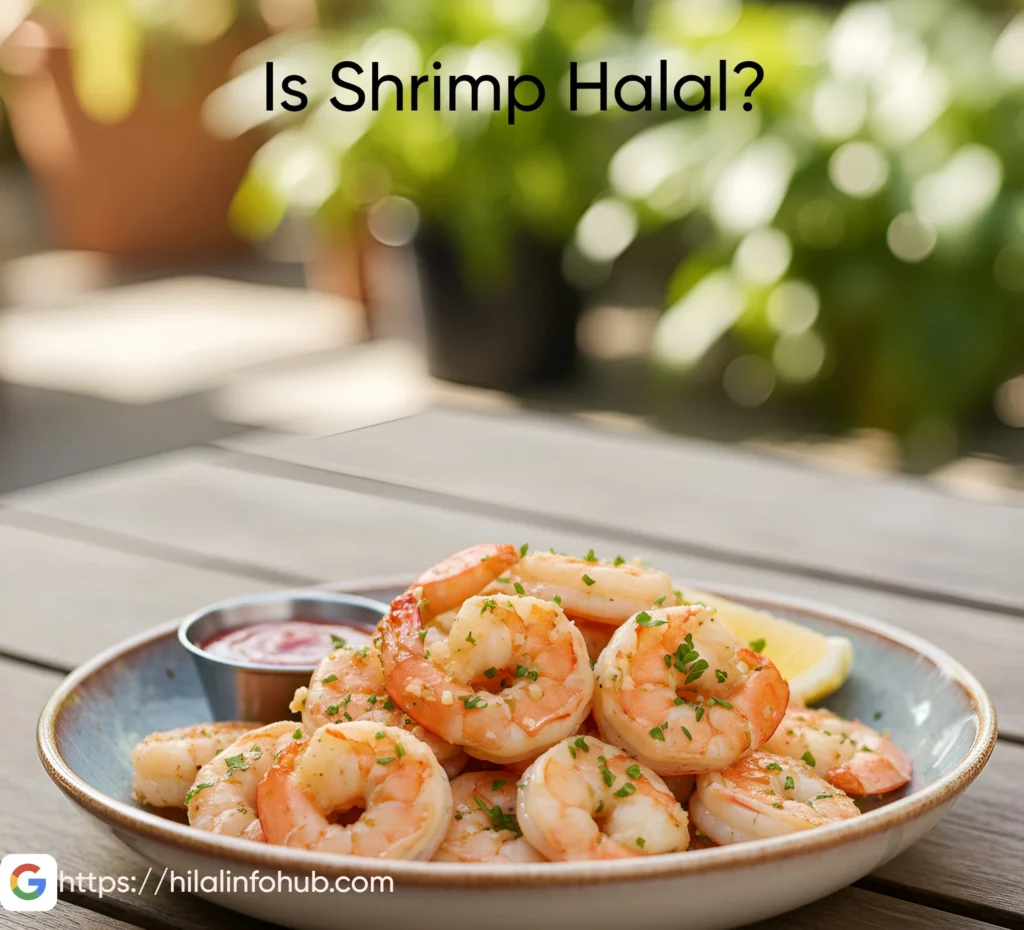
Seafood is one of the most interesting and widely discussed food categories in Islamic dietary guidelines. Among the many creatures that come from the ocean, shrimp often sparks questions, especially when Muslims search online asking is shrimp halal. In regions where people have heard conflicting opinions, this confusion becomes more common. Some Muslims eat shrimp regularly with full confidence, while others hesitate because they were told shrimp may be makruh or even doubtful.
So, what’s the truth?
Is shrimp halal?
The short answer is: Yes, shrimp is halal according to the overwhelming majority of Islamic scholars.
But because many Muslims want a deeper, well-explained answer — not just a one-sentence conclusion — this article explores the topic from multiple angles: religious texts, scholarly opinions, Islamic schools of thought, cultural differences, and scientific explanation. By the end, you’ll be able to understand the reasoning clearly and confidently.
Understanding Halal Seafood: The Foundation
Before focusing on shrimp specifically, it’s important to understand how Islam views seafood in general. Muslims rely on two main sources for dietary rules:
- The Quran
- Authentic Hadith (teachings of Prophet Muhammad ﷺ)
When we examine both sources, we find a consistent message:
Seafood is broadly permitted in Islam.
The Quran states very clearly:
“Lawful to you is the game from the sea and its food as provision for you and the travelers.”
(Surah Al-Ma’idah 5:96)
This verse is powerful because it does not limit seafood. It does not say “fish only,” nor does it list exceptions. It simply states that the sea and its edible creatures are lawful.
The Prophet Muhammad ﷺ also allowed his companions to eat seafood. One famous narration describes how the Sahabah ate a large sea creature during a journey, and the Prophet ﷺ approved it. This is often cited as a strong evidence for the permissibility of marine animals.
From this foundation, the default Islamic ruling is:
Sea creatures are halal unless proven otherwise.
Shrimp falls naturally into this category.
What Exactly Are Shrimp? A Quick Scientific Look
Shrimp are small marine animals belonging to the crustacean family. They live in both saltwater and freshwater, and are consumed globally. Scientifically, shrimp:
- Live in water full-time
- Breathe through gills
- Cannot survive outside water
- Are not predators harmful to humans
- Are widely recognized as edible creatures
Islamic rulings often align with the natural qualities of animals. Shrimp’s biology places it firmly under “seafood,” which Islamic texts permit.
Understanding this helps remove confusion for those who wonder whether shrimp should be classified differently.
The Majority Opinion Across Islamic Schools: Shrimp Is Halal
Islamic scholarship spans over 1400 years and includes multiple respected schools of jurisprudence. When we look at their rulings on shrimp, the answer becomes extremely clear.
Shafi‘i School:
Shrimp is halal.
All edible creatures from the sea are permissible unless harmful.
Hanbali School:
Shrimp is halal.
Seafood is broadly allowed based on Quranic verses.
Maliki School:
Shrimp is halal.
Malikis have one of the most open views regarding seafood.
Hanafi School:
This is where some confusion began historically, so let’s discuss it separately.
Across 75–80% of the Muslim world, shrimp is considered unquestionably halal. There is no debate, no doubt, and no restrictions.
Why Shrimp Became Controversial in Some Places (Especially South Asia)
Many Muslims from India, Pakistan, Bangladesh, and Afghanistan grew up hearing that shrimp might be makruh (disliked). This belief did not come from the Quran or hadith — it came from interpretations in the Hanafi school, which we’ll explain shortly.
The confusion spread because:
- Some Hanafi scholars historically believed only “fish-like” creatures were halal.
- Shrimp was not common food in certain regions centuries ago.
- Classification was based on older biological knowledge.
- People passed cultural habits as religious rulings.
But the important thing to understand is:
Older cultural opinions do not change religious rules.
Islam remains universal, even if local traditions differ.
The Hanafi View Why the Debate Happened and How It’s Resolved Today
The Hanafi school uses a specific approach to seafood: they allow fish (samak) but are cautious with creatures that do not resemble fish.
Historically, some Hanafi scholars wondered whether shrimp should be treated like fish or grouped with unusual sea animals. At the time, limited biological knowledge made classification more difficult.
However, modern Hanafi scholars have revisited the issue with clarity.
Modern Hanafi Position:
Most contemporary Hanafi scholars declare shrimp halal, because:
- Shrimp lives and behaves like a fish.
- It dies instantly when removed from water, similar to fish.
- It has always been widely eaten in Muslim cultures.
- It is a well-known edible marine animal.
- There is no religious text forbidding it.
Organizations such as Darul Uloom Deoband and other major Hanafi institutions have issued fatwas confirming shrimp is permissible.
So even if you follow the Hanafi school, you can confidently eat shrimp.
Evidence From the Quran That Supports Shrimp Being Halal
Let’s revisit the Quranic verse again:
“Lawful to you is the game from the sea and its food.”
(Surah Al-Ma’idah 5:96)
The phrase “from the sea” includes all marine creatures.
The phrase “its food” includes anything the sea produces that people can eat.
There is no limitation, no exception, and no condition about the species. This wide permissibility covers shrimp and other similar animals.
The Quran also mentions:
“the dead animals of the sea have been made lawful for you”
(Reported in hadith)
This statement strengthens the argument even more.
Shrimp in Islamic History and Muslim Cultures
Shrimp has always been part of Muslim cuisine in regions like:
- The Arabian Peninsula
- East Africa
- Southeast Asia
- Turkey
- Morocco
- Egypt
- Coastal Muslim communities
Historically, Muslims living near oceans or rivers consumed shrimp without hesitation. If shrimp were doubtful or haram, it would have been documented clearly in Islamic texts — but no such evidence exists.
This strong cultural acceptance throughout Islamic history further supports its permissibility.
Shrimp Is Not Harmful or Intoxicating
Islam forbids anything harmful or intoxicating. These rules apply to both food and drink.
Shrimp, however:
- is not intoxicating
- is not poisonous
- is widely considered healthy
- doesn’t cause behavioral change
- is a normal part of human diet
- is widely consumed everywhere
Therefore, it does not fall under any category of prohibited foods.
In fact, shrimp is high in protein, low in fat, and rich in minerals like zinc and selenium — making it a nutritious choice for many Muslims.
The Makruh Misunderstanding: Clearing Up the Myth
Many people say shrimp is makruh, but this is usually due to misinformation.
Here’s the truth:
- Makruh means “disliked,” not haram.
- Even foods classified as makruh may still be eaten without sin.
- Most Hanafi scholars today do not consider shrimp makruh.
The idea that shrimp is makruh is not supported by the Quran, the Sunnah, or strong scholarly consensus. It’s a cultural misunderstanding that spread through certain regions.
What If Someone Still Feels Uncomfortable Eating Shrimp?
Islam is a religion of ease, not force. If someone personally dislikes shrimp or feels uneasy about it, they are free to avoid it.
But it’s important to understand:
Personal preference is not a religious ruling.
Just because someone doesn’t enjoy shrimp, or their family didn’t use it in cooking, does not make it forbidden or doubtful.
Conditions for Eating Shrimp in a Halal Way
While shrimp itself is halal, the way it is prepared also matters. Here are a few things to keep in mind:
Avoid cooking with alcohol
Make sure no wine-based sauces or broths are used.
Avoid cross-contamination
In mixed seafood restaurants, ensure no pork or alcohol touches the dish.
Ensure shrimp is fresh and not spoiled
Spoiled seafood is not halal or healthy.
Use halal seasonings and oils
Some sauces may contain additives derived from non-halal sources.
As long as these points are respected, shrimp remains halal.
Why It’s Important to Clarify These Food Issues
In the modern world, Muslims often live in multicultural societies where food comes from diverse places. Sometimes, traditions get mixed with religion, causing confusion.
Understanding whether shrimp is halal helps Muslims:
- Eat confidently
- Avoid unnecessary fear
- Correct misinformation
- Strengthen halal knowledge
- Make informed choices when dining out
When we seek proper knowledge, we practice Islam with clarity and comfort.
See Also: Is Burger King Halal? Updated Global Halal Status
Conclusion
After reviewing Quranic guidance, authentic hadith, scholarly opinions, scientific facts, and cultural understanding, the conclusion is clear and reliable. Shrimp is halal in Islam. It is accepted by the majority of scholars and clearly falls under the category of seafood, which the Quran permits without restriction. Islamic rulings regarding lawful food emphasize permissibility unless clear evidence proves otherwise, and no authentic Islamic source declares shrimp haram.
Even within the Hanafi school of thought, many contemporary scholars now support the permissibility of shrimp based on modern scientific classification and stronger textual understanding. As a result, Muslims can eat shrimp with confidence and peace of mind. There is no need for doubt or hesitation, and shrimp can be enjoyed as a lawful and halal seafood in Islam.rimp with complete peace of mind, whether grilled, fried, boiled, baked, or added to biryani and curries.
For more like this visit : Hilalinfohub
