
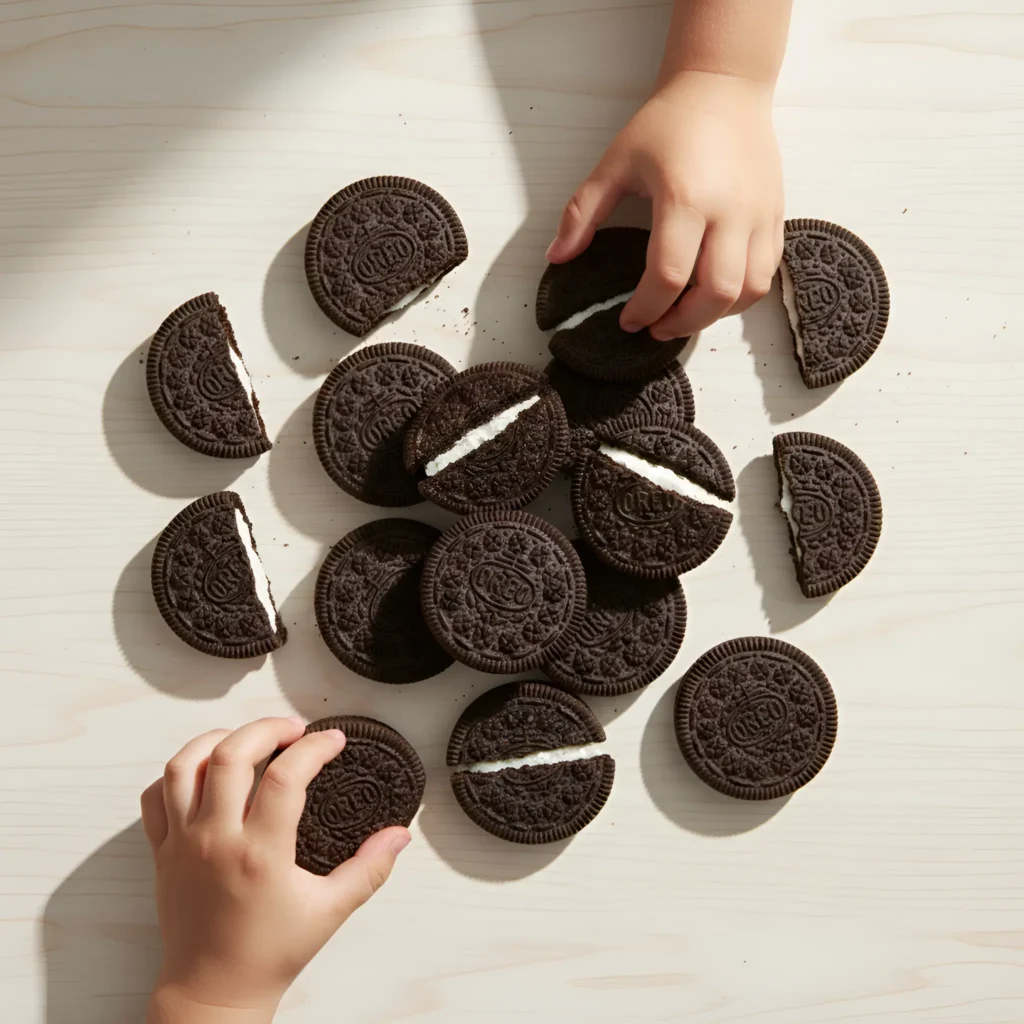
Are Oreos Halal? Full Ingredients & Certification Guide
If you’ve ever stood in a supermarket aisle holding a pack of Oreos and wondering, “Are Oreos halal?” — you’re not alone. Oreo is one of the most popular cookies in the world, loved for its crunchy chocolate wafers and sweet cream filling. But for Muslim consumers, taste is only part of the decision. The real question is whether these iconic cookies comply with Islamic dietary laws.
In this comprehensive guide, we’ll explore everything you need to know about whether Oreos are halal — including ingredients, certification, regional differences, cross-contamination concerns, and what scholars generally say about doubtful ingredients. By the end, you’ll have a clear understanding so you can make an informed choice with confidence.
Understanding What “Halal” Means in Food
Before answering whether Oreos are halal, it’s important to understand what “halal” actually means.
In Islam, halal refers to anything that is permissible according to Islamic law. When it comes to food, this includes:
- No pork or pork-derived ingredients
- No alcohol or intoxicants
- Meat must be slaughtered according to Islamic guidelines
- No contamination with haram (forbidden) substances
Processed foods can be tricky because they often contain additives, flavorings, emulsifiers, or enzymes that may be derived from animal sources.
That’s why packaged snacks like Oreos raise questions — not necessarily because they obviously contain haram ingredients, but because some components may be unclear in origin.
Are Oreos Halal? The Short Answer
In many countries, standard Oreo cookies do not contain pork or alcohol-based ingredients and are generally considered halal by ingredient review. However:
- Not all Oreos carry official halal certification.
- Ingredients and manufacturing processes may vary by country.
- Cross-contamination policies differ by production facility.
So, the more accurate answer is:
Oreos are often considered halal based on their ingredients, but certification and regional differences matter.
Let’s break this down further.
Examining Oreo Ingredients
The standard Oreo (Original flavor) typically contains:
- Sugar
- Unbleached enriched flour
- Palm and/or canola oil
- Cocoa
- High fructose corn syrup
- Leavening agents
- Soy lecithin
- Salt
- Chocolate
- Artificial flavor
At first glance, nothing here appears obviously haram. But let’s look more closely at ingredients that often cause concern among Muslim consumers.
Artificial Flavor
This is usually the biggest concern.
“Artificial flavor” can sometimes contain alcohol as a solvent. However, in many large food manufacturing processes, the alcohol used in flavor extraction evaporates during processing or exists in negligible amounts.
Islamic scholars differ slightly in opinion, but many contemporary scholars agree that:
- If alcohol is not intoxicating
- And it is not used as a beverage
- And it is present in trace, non-intoxicating amounts
Then it may be considered permissible.
Still, this depends on individual interpretation and comfort level.
Mono- and Diglycerides (If Present)
Some Oreo varieties may include emulsifiers like mono- and diglycerides. These can be derived from either plant or animal sources.
In many regions, Oreo uses plant-based sources, but without halal certification, some consumers remain cautious.
Sugar Processing
In certain countries, sugar can be processed using bone char (from cattle bones). While this process does not leave bone particles in the sugar, some Muslims prefer certified halal sugar to avoid doubt.
Most large manufacturers today use multiple sourcing systems, making it difficult to generalize globally.
Are Oreos Halal in the USA?
In the United States:
- Oreos do not contain pork.
- There are no declared animal-derived ingredients in the original variety.
- However, Oreos are not officially halal-certified in the U.S.
The manufacturer (Mondelēz International) has previously stated that Oreos are not certified halal in the U.S., although ingredients do not include pork.
Additionally, cross-contact may occur in facilities that process milk and other ingredients.
For many Muslim consumers in America, Oreos are considered halal by ingredients — but those who strictly require certification may choose to avoid them.
Are Oreos Halal in the UK?
In the United Kingdom, some Oreo products have carried halal certification depending on the production batch and factory.
It is important to:
- Look for the halal logo on the packaging.
- Check with the manufacturer’s official website.
- Contact customer service for confirmation.
Halal status may vary between product lines and manufacturing facilities.
Are Oreos Halal in Muslim-Majority Countries?
In countries like:
- Malaysia
- Indonesia
- Saudi Arabia
- United Arab Emirates
Oreos are often halal-certified by recognized Islamic authorities. In these regions, manufacturers must meet strict halal compliance standards to sell products widely.
Always check the packaging for a recognized halal certification logo.
What About Different Oreo Flavors?
Not all Oreo flavors are the same.
While Original Oreos may be considered halal based on ingredients, specialty flavors could include:
- Marshmallow flavoring
- Cheesecake filling
- Caramel additives
- Gelatin-based ingredients
Gelatin is a major concern because it is often derived from pork unless specified otherwise.
Therefore:
Always check the ingredient list for each flavor individually.
Do not assume that all Oreo varieties have the same halal status.
Cross-Contamination Concerns
Another factor to consider is cross-contact during manufacturing.
Some Oreo packages include statements like:
“May contain milk” or “Manufactured in a facility that also processes…”
For strict halal observers, cross-contamination with non-halal products in shared facilities may be a concern.
However, Islamic rulings on cross-contamination vary, especially when no direct haram ingredient is included in the product itself.
What Do Islamic Scholars Say?
Islamic rulings on processed foods often fall into three categories:
- Clearly halal
- Clearly haram
- Doubtful (mashbooh)
Oreos typically fall into the third category in countries without halal certification.
The Prophet Muhammad (peace be upon him) said:
“Leave that which makes you doubt for that which does not make you doubt.”
For some Muslims, that means avoiding uncertified products. For others, ingredient transparency is sufficient.
Personal conviction plays an important role.
Are Oreos Vegan? Does That Make Them Halal?
Many people assume that if something is vegan, it must be halal.
Oreos are often labeled as suitable for vegans because they do not contain animal-derived ingredients in many regions.
However:
- Vegan does not automatically equal halal.
- Halal considers sourcing, alcohol content, and processing methods.
- Vegan only excludes animal ingredients.
While there is overlap, the two standards are not identical.
How to Verify if Oreos Are Halal in Your Country
Here’s what you can do:
Check the Packaging
Look for an official halal certification logo from a recognized authority.
Visit the Manufacturer’s Website
Mondelēz International provides country-specific information.
Contact Customer Service
Ask directly about:
- Source of emulsifiers
- Presence of alcohol in flavorings
- Cross-contamination policies
Consult Local Halal Authorities
Local Islamic councils may publish approved product lists.
Why There Is So Much Confusion About Oreos and Halal Status
There are several reasons:
- Different recipes in different countries
- Changing ingredient suppliers
- Lack of universal halal certification
- Social media misinformation
One viral post claiming Oreos contain pork can create global panic — even if it’s inaccurate.
The reality is more nuanced.
A Balanced Perspective
If you live in a Muslim-majority country where Oreos are halal-certified, you can generally consume them with confidence.
If you live in a non-Muslim country without certification:
- Review the ingredients carefully.
- Decide based on your comfort level.
- Consider choosing certified alternatives if unsure.
Islam encourages ease, not hardship. But it also encourages mindfulness.
Halal-Certified Alternatives to Oreos
If you prefer guaranteed halal certification, you may consider:
- Local halal-certified chocolate sandwich cookies
- Store-brand cookies with halal logos
- Specialty halal snack brands
Many supermarkets in Muslim communities now offer certified alternatives.
Final Verdict: Are Oreos Halal?
The answer depends on where you live.
- In many countries, yes — Oreos are halal-certified.
- In the U.S. and some other regions, they are not certified but do not contain obvious haram ingredients.
- Specialty flavors must always be checked individually.
If you strictly require halal certification, look for the official logo.
If ingredient transparency is sufficient for you, standard Oreos are generally considered permissible by many scholars.
Ultimately, the choice is personal and should align with your understanding of halal guidelines.
Conclusion
So, are Oreos halal?
For many Muslims around the world, the answer is yes — especially where halal certification is present. In countries without certification, most standard Oreo ingredients appear free from pork or obvious haram components, but individual caution may vary.
The best approach is informed awareness. Read labels. Verify certification. Ask questions when needed.
Faith and food can coexist beautifully when approached with knowledge and intention.
And the next time you twist open an Oreo, you’ll know exactly where you stand.
For more like this : Hilalinfohub
