
Introduction
The halal food industry in the United States has evolved from a niche market into a powerful culinary and economic force. By 2026, halal dining is no longer limited to specific communities—it has become a mainstream movement embraced by people of all backgrounds seeking ethical, clean, and flavorful food options. From food trucks and fast-casual chains to fine dining restaurants, halal bites are reshaping the American food landscape.
This article explores the growth, trends, popular dishes, and future of halal food in the U.S., while also offering practical insights for consumers, entrepreneurs, and food enthusiasts.
What Does “Halal” Mean?
“Halal” is an Arabic term meaning “permissible.” In the context of food, it refers to dietary guidelines followed by Muslims, ensuring that food is prepared according to Islamic law. Key principles include:
- Meat must be slaughtered humanely with a specific method.
- Pork and alcohol are strictly prohibited.
- Cross-contamination with non-halal items must be avoided.
However, halal food has gained broader appeal due to its emphasis on hygiene, ethical sourcing, and quality.
The Rise of Halal Food in the U.S.
Over the past decade, the halal food industry in the U.S. has experienced exponential growth. Several factors have contributed to this expansion:
Growing Muslim Population
The increasing Muslim population has naturally driven demand for halal-certified products and dining options.
Health-Conscious Consumers
Many non-Muslims perceive halal food as cleaner and more ethically sourced, attracting a wider audience.
Cultural Diversity
America’s multicultural environment has made global cuisines—including halal Middle Eastern, South Asian, and African dishes—more accessible.
Food Innovation
Entrepreneurs are reinventing traditional halal dishes into modern, fusion-style bites.
Popular Halal Bites Across the U.S.
Halal cuisine in 2026 is incredibly diverse. Here are some of the most popular categories:
Street Food Favorites
- Chicken and rice platters
- Gyros and shawarma wraps
- Halal burgers
- Loaded fries with halal meat
Fusion Creations
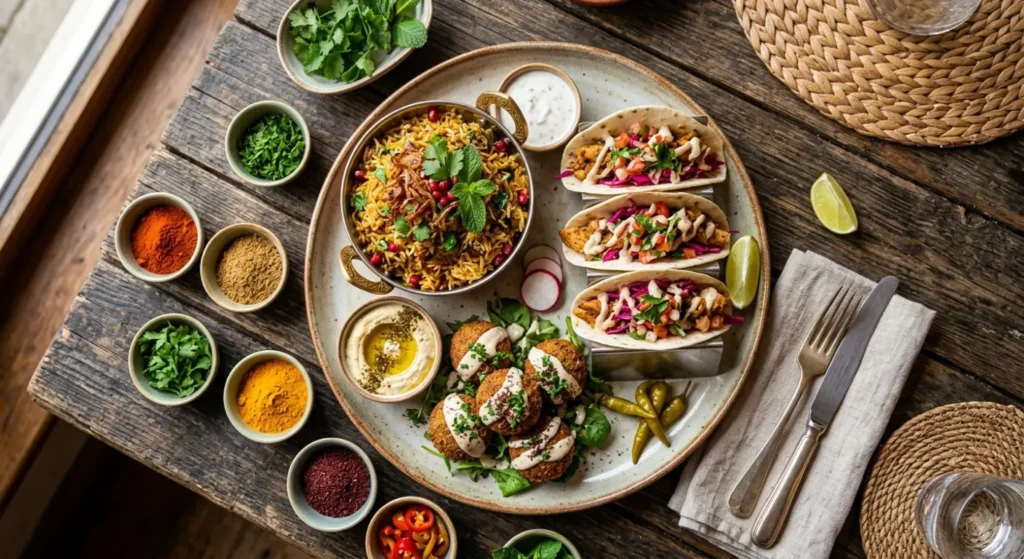
- Halal tacos
- Halal Nashville hot chicken
- Korean halal BBQ bowls
- Halal pizza with gourmet toppings
Traditional Dishes
- Biryani
- Kebabs
- Nihari
- Falafel and hummus
Popular Halal Dishes and Their Origins
| Dish Name | Origin Region | Description | Popularity in U.S. |
|---|---|---|---|
| Chicken Over Rice | Middle Eastern/U.S. | Rice topped with spiced chicken and white sauce | Very High |
| Shawarma Wrap | Middle East | Thinly sliced meat wrapped in flatbread | High |
| Biryani | South Asia | Spiced rice with meat or vegetables | High |
| Halal Burger | U.S. Fusion | Beef or chicken burger with halal certification | Very High |
| Falafel | Middle East | Deep-fried chickpea balls | Moderate |
| Nihari | South Asia | Slow-cooked beef stew | Growing |
Major Cities Leading the Halal Food Movement
Certain U.S. cities have become hotspots for halal dining:
New York City
Often considered the capital of halal street food, NYC is famous for its food carts and late-night halal platters.
Los Angeles
Known for innovation, LA offers a mix of halal fine dining and trendy fusion concepts.
Chicago
A hub for authentic South Asian and Middle Eastern halal cuisine.
Houston
One of the fastest-growing halal markets, with diverse culinary options.
Dallas
A rising star with a booming halal restaurant scene and modern dining concepts.
Related post : Is Burger King Halal?
Halal Food Trends in 2026
The halal food industry continues to evolve. Here are the top trends shaping 2026:
Halal Fast-Casual Chains
Halal versions of fast food are becoming widely popular, offering quick, affordable meals without compromising quality.
Plant-Based Halal Options
Vegan and vegetarian halal dishes are gaining traction among environmentally conscious consumers.
Gourmet Halal Dining
Fine dining restaurants are now offering halal-certified menus, elevating the perception of halal cuisine.
Online Delivery Boom
Food delivery apps have made halal food more accessible than ever.
Transparent Certification
Consumers are increasingly demanding clear halal certification and sourcing transparency.
Key Halal Food Trends in the U.S. (2026)
| Trend | Description | Impact Level |
|---|---|---|
| Fast-Casual Expansion | Growth of halal quick-service restaurants | High |
| Fusion Cuisine | Mixing global flavors with halal ingredients | High |
| Plant-Based Halal | Vegan-friendly halal options | Medium |
| Digital Ordering | Increased reliance on apps and online platforms | Very High |
| Ethical Sourcing | Focus on humane and sustainable practices | High |
Why Halal Food Appeals to Everyone
Halal food is no longer just about religious compliance—it’s about quality and trust. Here’s why it attracts a broader audience:
- Clean Preparation Standards: Strict guidelines ensure hygiene.
- Ethical Practices: Humane treatment of animals appeals to conscious consumers.
- Flavor Diversity: Rich spices and global influences create unique tastes.
- Transparency: Certification builds consumer confidence.
Challenges Facing the Halal Industry
Despite its growth, the halal food industry faces several challenges:
Certification Confusion
Different certification bodies can create inconsistency and confusion among consumers.
Limited Awareness
Some Americans still lack understanding of what halal truly means.
Supply Chain Issues
Ensuring halal compliance across the entire supply chain can be complex.
Pricing Concerns
Halal products can sometimes be more expensive due to certification and sourcing requirements.
Opportunities for Entrepreneurs
The halal food market in the U.S. offers significant opportunities for business owners:
- Launching halal food trucks or pop-ups
- Creating fusion halal menus
- Developing packaged halal snacks
- Opening halal fine dining restaurants
- Leveraging social media for brand growth
Entrepreneurs who focus on quality, authenticity, and branding can thrive in this expanding market.
The Future of Halal Food in America
Looking ahead, the halal food industry is expected to continue its upward trajectory. Key predictions include:
- Greater mainstream acceptance
- Expansion into suburban areas
- Increased investment from major food brands
- Integration with global food trends
- Enhanced certification systems
By 2030, halal food could become a standard option in most major restaurant chains across the country.
Related post : Is Steak Halal in Islam?
Tips for Finding the Best Halal Bites
If you’re exploring halal food in the U.S., keep these tips in mind:
- Look for verified halal certification.
- Read online reviews and ratings.
- Explore food trucks—they often offer authentic flavors.
- Try different cuisines to expand your palate.
- Ask restaurant staff about sourcing and preparation.
FAQs About Halal Bites in the U.S.
Is halal food only for Muslims?
No, halal food is enjoyed by people of all backgrounds due to its quality, hygiene, and taste.
How can I verify if food is halal?
Look for certification labels, ask the restaurant, or check trusted halal directories and apps.
Are halal and kosher the same?
While they share similarities, they follow different religious guidelines and are not identical.
Is halal food healthier?
Halal food emphasizes cleanliness and ethical practices, but overall health depends on ingredients and preparation.
Why is halal food sometimes more expensive?
Costs may be higher due to certification, sourcing, and compliance requirements.
Can halal food include vegetarian options?
Yes, vegetarian and vegan foods are generally considered halal as long as they avoid prohibited ingredients.
Are major fast-food chains offering halal options?
Some locations and regional chains offer halal menus, and this trend is growing rapidly.
What is the most popular halal dish in the U.S.?
Chicken over rice and halal burgers are among the most popular choices.
Conclusion
Halal bites in the U.S. have transformed from a niche offering into a dynamic and influential part of the culinary world. In 2026, halal food represents more than dietary compliance—it embodies culture, innovation, and inclusivity.
With its rapid growth, diverse flavors, and increasing mainstream acceptance, the halal food industry is poised to redefine how Americans experience food. Whether you’re a curious foodie, a health-conscious eater, or an aspiring entrepreneur, there has never been a better time to explore the world of halal cuisine.
As the industry continues to evolve, one thing is certain: halal bites are here to stay—and they’re only getting better.
