
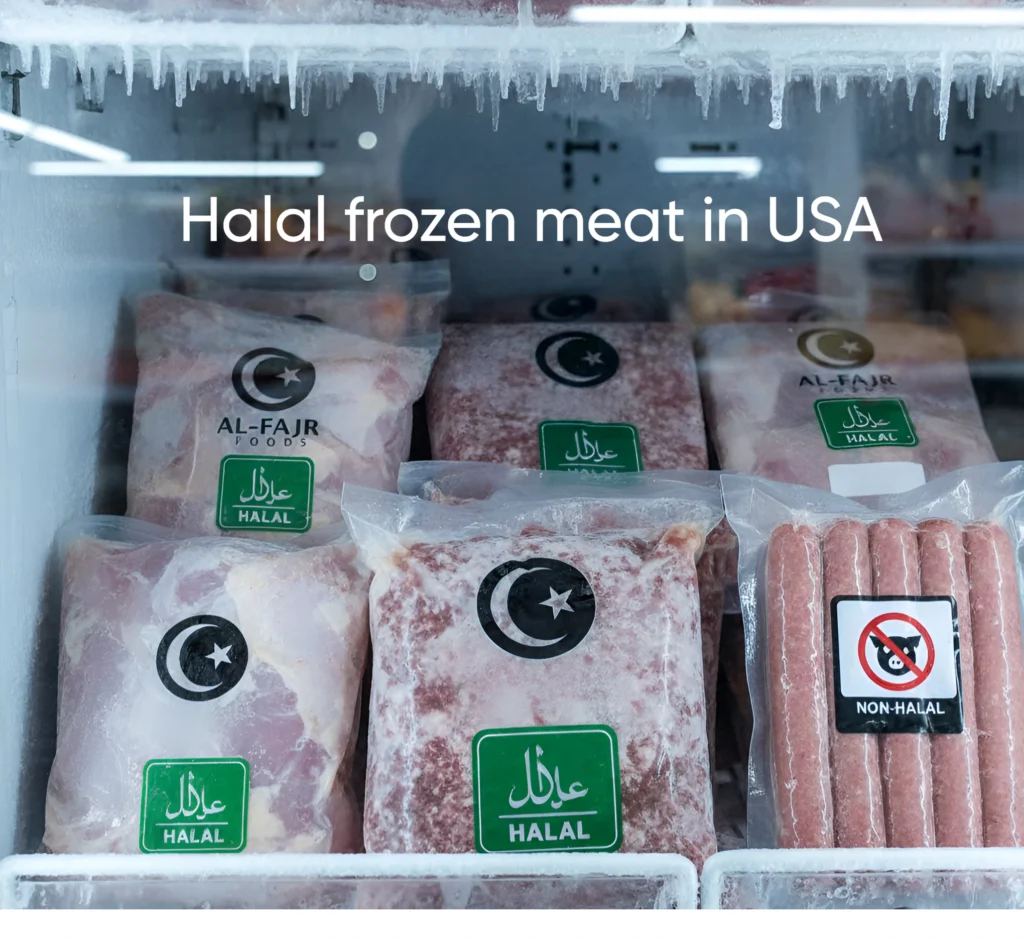
For many Muslim families across the United States, finding trustworthy halal meat used to mean going out of the way to locate a local halal butcher. These visits were often limited to certain neighborhoods or specific cities with large Muslim populations. But in the last decade, the landscape has changed dramatically. The demand for halal frozen meat in the USA has surged, creating a thriving market filled with convenience, greater accessibility, and high-quality products delivered straight to consumers’ doors.
Today, halal frozen meat is no longer limited to niche grocery stores. It has expanded into mainstream supermarkets, online platforms, meal-prep services, and even large restaurant supply chains. This shift reflects broader cultural changes in America, as well as a deeper understanding of what halal truly means—not just religious compliance, but cleanliness, ethical sourcing, and quality.
In this in-depth article, we explore why halal frozen meat is gaining popularity, what consumers look for when choosing halal products, and how the frozen meat industry is raising standards for quality and trust.
Understanding What “Halal” Means Beyond the Label
To appreciate the significance of halal frozen meat, it’s important to understand what halal actually involves. Many people outside the Muslim community assume halal simply means “permissible” or “blessed.” In reality, halal standards are stricter and more comprehensive.
Halal meat must follow specific guidelines:
- The animal must be healthy at the time of slaughter.
- The slaughtering process must be performed by a practicing Muslim.
- The name of God (Bismillah) must be invoked.
- The blood must be fully drained from the veins.
- The facility and tools must maintain cleanliness to avoid contamination with non-halal products.
For Muslim consumers, halal is a matter of both faith and assurance—a guarantee that what they consume aligns with ethical, humane, and sanitary requirements. When halal meat is frozen, the expectation is that these standards are preserved from production to packaging to delivery.
Why Halal Frozen Meat Is Growing in Popularity in the USA
A Fast-Growing Muslim Population
The Muslim population in the United States is expanding, driven by immigration, higher birth rates, and growing visibility in mainstream culture. With this growth comes increased purchasing power and demand for halal food options. According to industry reports, the American halal food market is now valued in the tens of billions—and frozen halal meat is one of its fastest-growing segments.
Convenience and Longer Shelf Life
Frozen meat offers a significant advantage for busy families. Whether it’s halal chicken, beef, lamb, or goat, frozen products allow consumers to stock up without worrying about spoilage. This is especially important for households that don’t have a halal butcher nearby. With frozen halal meat, families can buy in bulk, store safely, and prepare meals at their convenience.
Expansion of Online Halal Grocery Shopping
The rise of e-commerce has transformed how consumers purchase their groceries. Dozens of online retailers now specialize in delivering halal frozen meat directly to homes across the country. Vacuum-sealed packaging, dry-ice shipments, and insulated boxes ensure freshness while making access easier than ever before. Even major platforms like Amazon and Walmart have expanded their halal offerings to meet increasing demand.
Higher Standards in the Halal Supply Chain
Halal certification bodies in the USA—such as IFANCA, HFSAA, and others—have strengthened their standards for halal compliance. These certifications give consumers confidence that frozen meats are produced and handled according to strict halal guidelines. As a result, halal frozen meat companies compete not just on flavor and convenience but on credibility and transparency.
Restaurant and Catering Growth
Restaurants, food trucks, catering services, and halal meal-prep businesses increasingly rely on frozen halal meat to meet growing customer demand. Since fresh halal meat is not always readily available in large quantities, frozen meat ensures consistent supply, quality, and cost efficiency—especially for high-volume kitchens.
Types of Halal Frozen Meat Popular in the U.S. Market
The American halal frozen meat industry has become impressively diverse. What was once limited to basic cuts of chicken and beef now spans numerous categories:
Halal Frozen Chicken
- Whole chickens
- Boneless breast and thighs
- Drumsticks and wings
- Ground chicken
- Halal chicken nuggets and tenders
Chicken remains the top-selling product due to its affordability and versatility.
Halal Frozen Beef
- Ground beef
- Ribeye, chuck, and sirloin
- Steak cuts
- Beef bacon
- Beef patties
High-quality halal beef has become a staple for Muslim households and restaurants alike.
Halal Frozen Lamb & Goat
Traditionally popular in Middle Eastern, South Asian, and African communities, lamb and goat cuts are often sold frozen because they travel better and retain texture and flavor.
Halal Frozen Ready-to-Cook Meals
This category has exploded recently. Think:
- Halal frozen kebabs
- Pre-marinated chicken tikka
- Halal gyro meat
- Frozen Middle Eastern and South Asian dishes
These products cater to younger Muslim consumers seeking convenience without sacrificing quality.
5Organic and Grass-Fed Halal Frozen Meat
As health-conscious eating grows, more brands offer organic, grass-fed, antibiotic-free, and hormone-free halal meats. This aligns halal values with modern nutritional preferences.
halal-certified meat products available in the USA
- Saffron Road — offers frozen halal meals, chicken, beef and global-style halal food products.
- Midamar Halal — one of the long-established halal meat suppliers in the U.S., with a range of frozen halal beef, poultry and deli-style offerings.
- Crescent Foods — a popular halal-meat brand often cited among top halal meat providers in the USA.
- Boxed Halal — delivers halal meat (including frozen) to customers directly, known for transparent sourcing and halal certification.
- Zam Zam Foods — offers halal-slaughtered beef and lamb (including frozen meat), serving many Muslim communities across U.S. states.
Factors Consumers Look for When Buying Halal Frozen Meat
Buying halal frozen meat is not just about selecting a brand—it’s about trusting the entire process behind it. Here are the main factors consumers consider:
Reliable Halal Certification
A recognized halal certification is a must. Consumers often avoid products with vague labels or unclear slaughtering methods.
Transparency and Traceability
Where was the animal raised? How was it processed? Ethical sourcing builds trust.
Packaging Quality
Vacuum-sealed, tamper-proof, and clearly labeled packages help preserve flavor and ensure safety.
Ingredient Lists for Processed Items
Many flavored or pre-cooked frozen foods contain additives. Muslim consumers check for hidden non-halal ingredients like gelatin or certain flavorings.
Flavor and Quality
Taste remains king. The best brands invest in freshness, marination quality, and meat texture.
Price and Accessibility
Affordability matters, especially for large households. The expansion of online delivery has helped reduce prices and increase availability.
Benefits of Choosing Halal Frozen Meat
Ethical and Humane Treatment
Halal slaughter is designed to minimize suffering and ensure the animal is treated respectfully. Many consumers—Muslim or not—appreciate this ethical approach.
Cleaner and Safer Meat
The halal process includes draining blood completely, which helps reduce bacteria and improves shelf life. Many consumers claim that halal meat tastes cleaner and fresher.
Meal Flexibility
Frozen meat allows for last-minute meal decisions. Whether preparing biryani, barbecue, burgers, or stew, frozen options provide flexibility.
Better Value for Money
Buying in bulk or larger portions reduces overall costs—a huge advantage for families.
Challenges Still Facing the Halal Frozen Meat Industry
Even with strong growth, the halal frozen meat market faces several challenges:
Inconsistent Certification Standards
Different halal authorities sometimes have differing interpretations, which can confuse consumers.
Competition With Fresh Halal Butchers
Some people prefer fresh meat for cultural or personal reasons.
Lack of Awareness in Non-Muslim Communities
Although halal meat appeals to broader audiences, many still don’t understand what halal means or associate it only with religion.
Supply Chain Complexities
Maintaining halal integrity from farm to freezer is not always easy.
Still, as demand rises, companies are improving practices and strengthening certifications.
The Future of Halal Frozen Meat in the USA
The halal frozen meat industry in America is still growing—and its future looks promising. Several trends are shaping the next decade:
Tech-Driven Traceability
QR codes, blockchain tracking, and digital certifications will enhance transparency.
More Mainstream Retail Partnerships
Expect to see halal frozen meat in larger grocery chains and even in wholesale clubs.
Premium and Gourmet Halal Options
Grass-fed steaks, premium wagyu cuts, and fully seasoned global cuisines are becoming more common.
Growth in Halal Meal Kits
From biryani meal kits to shawarma kits, halal cooking at home is becoming easier.
Rising Acceptance Among Non-Muslims
Many non-Muslim buyers prefer halal meat for ethical and health reasons, expanding the market beyond Muslim consumers.
See Also: Is Non Alcoholic Wine Halal or Haram? Islamic Answer Explained
Conclusion
The rise of halal frozen meat in the USA reflects a broader shift toward convenience, cultural inclusivity, and higher food standards. This growing market is not just about frozen chicken or beef—it’s about providing Muslim families with trustworthy, high-quality food that fits their lifestyles. As halal becomes more mainstream, consumers can expect even more choices, better quality, and stronger industry standards.
For households, restaurants, and businesses across America, halal frozen meat has become a cornerstone of convenience, trust, and culinary diversity.
For more like this visit : Hilalinfohub
